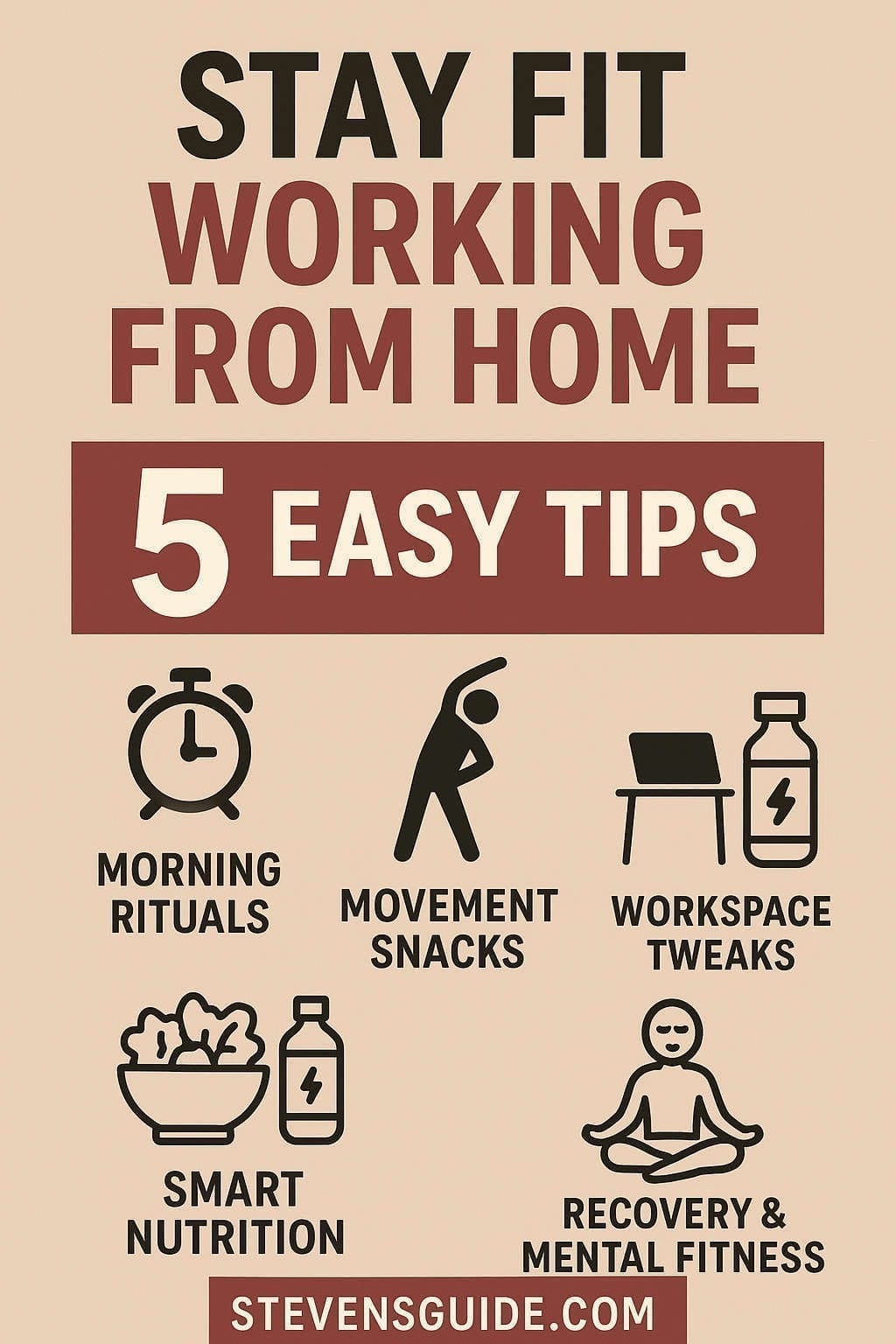
Remote work has become a regular part of many people’s lives. What was once a short-term solution during uncertain times has now evolved into a permanent setup for millions of professionals. Working from home brings undeniable perks: no daily commute, more flexibility, and the comfort of your own space. But let’s be honest—it also comes with its fair share of challenges. Staying focused, setting boundaries, and avoiding distractions can be tough.
Whether you’re a seasoned remote worker or new to the game, productivity doesn’t come automatically. The good news is that with some structure and a few smart habits, you can thrive in your home office. This guide breaks down 10 proven strategies to help you stay productive while working from home, along with practical tips you can implement today. Let’s dive in.
1. Designate a Dedicated Workspace
It might be tempting to lounge on the couch with your laptop, but having a specific area for work can make a huge difference in how productive you are.
Why It Works:
Your brain makes associations with places. When you work in the same spot every day, it becomes a mental trigger for focus and productivity. On the flip side, working in your relaxation zones (like your bed or sofa) can blur the lines between rest and work.
Tips:
- Choose a quiet area with minimal distractions.
- Use a desk and comfortable chair to support good posture.
- Keep the space tidy and separate from personal items.
- Add natural light, plants, or art to make it pleasant.
“Your workspace doesn’t have to be fancy—just functional and consistent.”
2. Set a Routine and Stick to It
One of the biggest productivity killers while working from home is a lack of structure. Without clear boundaries, your workday can bleed into your personal time and vice versa.
Why It Works:
Routines help condition your brain to switch into work mode. Over time, this habit builds discipline, which becomes the backbone of productivity.
Tips:
- Wake up and go to bed at the same time every day.
- Start work at a fixed hour, even if you don’t have morning meetings.
- Use a planner or digital calendar to block your time.
- Schedule lunch and breaks just like you would in an office.
“Routines turn intentions into actions.”
3. Dress the Part
Yes, working in pajamas sounds dreamy, but it might be sabotaging your productivity without you realizing it.
Why It Works:
Dressing for work—even casually—creates a psychological shift. It helps your brain distinguish between relaxation and work time. It also prepares you for unexpected video calls without scrambling.
Tips:
- Choose comfortable, but presentable clothing.
- Avoid staying in sleepwear all day.
- Use getting dressed as a signal that the workday has begun.
“Dress for the mindset you want, not the room you’re in.”
4. Use the Right Tools for the Job
Technology can be your biggest asset or your biggest headache. Choosing the right digital tools can drastically streamline your workflow and communication.
Why It Works:
The right tools keep you organized, help you collaborate, and ensure you’re staying on track with tasks.
Suggestions:
- Communication: Slack, Zoom, Google Meet
- Project Management: Asana, Trello, ClickUp
- Time Tracking: Toggl, Clockify, RescueTime
- Note Taking: Notion, Evernote, Google Keep
Tips:
- Avoid using too many apps; stick with what you need.
- Sync tools across devices so you can work seamlessly.
- Learn keyboard shortcuts and features to save time.
“Digital clutter is just as bad as desk clutter. Simplify.”
5. Plan Your Day with Intention
Waking up and tackling whatever comes your way is a fast track to feeling overwhelmed and unproductive. Instead, plan ahead.
Why It Works:
Planning gives your day structure. It also reduces the mental load of decision-making and helps prioritize what really matters.
Tips:
- Start each morning (or the night before) with a to-do list.
- Use the Eisenhower Matrix to prioritize tasks (urgent vs. important).
- Break large tasks into smaller, actionable steps.
- Celebrate completed tasks to stay motivated.
“Don’t start your day until you’ve finished it on paper.”
6. Take Intentional Breaks
Sitting at your desk all day without a break is a recipe for burnout. Breaks aren’t a luxury—they’re essential.
Why It Works:
Short breaks refresh your brain, reduce stress, and improve creativity. They also help you return to work with renewed focus.
Tips:
- Use the Pomodoro Technique (25 minutes work, 5 minutes break).
- Stand up, stretch, or take a short walk.
- Avoid screens during your break. Give your eyes and brain a rest.
- Schedule one longer break during the day for lunch or exercise.
“Work hard, rest harder.”
7. Minimize Distractions
Working from home introduces a whole new world of distractions—family, pets, social media, household chores. Recognizing and managing them is key.
Why It Works:
You can’t enter a state of deep work if you’re constantly interrupted. Removing distractions helps you get more done in less time.
Tips:
- Use apps like Freedom or Cold Turkey to block distracting websites.
- Silence phone notifications or use Do Not Disturb mode.
- Communicate your schedule to family or housemates.
- Set boundaries around your workspace.
“Control your environment, or it will control you.”
8. Create a Hard Stop to Your Workday
Without a commute, it’s easy to let work spill into the evening. But working around the clock can hurt both your productivity and your well-being.
Why It Works:
Setting a firm end to your workday reinforces boundaries and prevents burnout. It also helps you mentally recharge for the next day.
Tips:
- Pick a specific time to log off each day.
- Use an alarm or calendar reminder if needed.
- End the day with a shutdown ritual: review tasks, plan tomorrow, and close your laptop.
“Clocking out is just as important as clocking in.”
9. Stay Social and Connected
One downside of remote work is the lack of social interaction. Isolation can affect not just your mood, but also your motivation.
Why It Works:
Connection fosters engagement. Regular interaction with your team and peers can keep you motivated, informed, and grounded.
Tips:
- Schedule regular check-ins or virtual coffee breaks.
- Use chat apps for casual conversations.
- Join online communities or professional groups.
- Don’t be afraid to reach out to colleagues just to say hi.
“You may work remotely, but you don’t have to work alone.”
10. Keep Learning and Growing
Use the time saved from commuting to invest in your personal and professional growth. Learning new skills keeps your mind sharp and your career progressing.
Why It Works:
Continuous learning boosts confidence, creativity, and resilience. It also makes you a more valuable asset to your team or clients.
Tips:
- Take an online course (Coursera, LinkedIn Learning, Skillshare).
- Listen to industry podcasts or audiobooks.
- Set monthly learning goals.
- Dedicate 30 minutes a day to personal development.
“Don’t just work from home—grow from home.”
Sample Daily Routine for Remote Workers
Creating structure in your day helps you stay on track. Here’s a sample routine to get you started:
| Time | Activity |
|---|---|
| 7:00 AM | Wake up, morning routine |
| 8:00 AM | Light exercise or journaling |
| 9:00 AM | Start work, check emails |
| 9:30 AM | Deep focus work (priority tasks) |
| 11:00 AM | Short break |
| 11:15 AM | Continue focused tasks |
| 12:30 PM | Lunch and rest |
| 1:30 PM | Meetings or collaboration |
| 3:00 PM | Break or short walk |
| 3:30 PM | Wrap up tasks and plan tomorrow |
| 5:00 PM | Log off and relax |
Final Thoughts
Working from home is a skill—one that gets better with practice. It requires discipline, intention, and a willingness to adapt. By designing your environment, setting clear routines, and prioritizing well-being, you can turn your home into a place where you don’t just work—you thrive.
Remember, productivity isn’t about doing more. It’s about doing what matters most, consistently, and with purpose.
So whether you’re working from a home office, a kitchen table, or a studio apartment—these 10 strategies can help you stay focused, effective, and fulfilled.
Here’s to building a remote work life that works for you.
Featured Photo by Milad Fakurian on Unsplash
You might also like,
- Orthopedic Office Chair: Read Before You Buy
- Top 10 Must-Have Office Equipment for Your Home Office Setup in 2025
- The Best Office Desks for Home: Elevate Your Work-from-Home Experience