Setting up an office involves a myriad of considerations, and among them, the careful selection of office equipment is pivotal. From computers and printers to ergonomic furniture and stationery, each element contributes significantly to the overall efficiency and productivity of a workspace. In this comprehensive guide, we will delve into the intricacies of selecting office equipment, offering a thorough exploration of key factors to consider to ensure your office is not just functional but also fosters a conducive work environment.
Assessing Business Needs
A successful office setup begins with a detailed assessment of your business needs. Consider the size of your team, the nature of your work, and any specialized requirements unique to your industry. This initial analysis serves as the bedrock for making informed decisions throughout the selection process, guiding you towards equipment that aligns seamlessly with your business objectives. Are you a creative agency requiring high-performance computers, or a law firm needing robust document management solutions? Understanding these needs ensures you invest wisely in equipment tailored to your specific requirements.
Budget Planning
Financial considerations play a pivotal role in the selection of office equipment. Establishing a realistic budget is essential, and while it might be tempting to cut costs, it’s crucial to prioritize essential items. Investing in quality equipment, especially for critical components like computers and ergonomic furniture, can result in long-term benefits, contributing to increased productivity and employee satisfaction. Consider a phased approach to budgeting, allocating resources strategically to prioritize mission-critical equipment without compromising on quality.
Ergonomics and Comfort
Employee well-being is directly correlated with productivity. When selecting office furniture and accessories, prioritize ergonomic options that promote comfort and reduce the risk of musculoskeletal issues. Adjustable chairs, sit-stand desks, and proper lighting are key considerations in creating a healthy work environment that supports your team’s physical and mental health. Collaborate with ergonomic specialists to tailor your workspace to the unique needs of your employees, considering factors like individual preferences, health conditions, and the varied nature of tasks undertaken within your office.
Compatibility and Integration
Seamless integration of office equipment is vital for a smooth workflow. Consider the compatibility of devices and software to avoid potential technical challenges. Ensure that your chosen equipment can easily integrate into your existing office setup, providing a hassle-free environment for your team to collaborate and perform their tasks efficiently. This includes not only hardware but also software compatibility, ensuring that different tools work cohesively to streamline processes. Embrace cloud-based solutions that offer flexibility and scalability while promoting collaboration among team members.
Energy Efficiency
In an era where sustainability is gaining prominence, opting for energy-efficient office equipment is not only environmentally responsible but can also result in cost savings over time. Look for products with ENERGY STAR certification, indicating adherence to energy efficiency standards. By incorporating energy-efficient solutions, you not only contribute to a greener planet but also enjoy the financial benefits of reduced energy consumption. Implement smart energy management practices, such as automated power-off settings and energy-efficient lighting solutions, to further optimize your office’s environmental footprint.
Consider Future Expansion
The growth of your business should be a prime consideration when selecting office equipment. Opt for scalable solutions that can accommodate additional users, devices, or technological advancements. This forward-thinking approach helps future-proof your workspace, reducing the frequency of upgrades and replacements, and ensuring that your office remains adaptable to evolving business needs. Consider modular furniture that can be easily rearranged, and invest in infrastructure that supports future technology trends, such as advanced connectivity options and flexible workspace configurations to accommodate a growing team.
Quality and Reliability
Investing in high-quality, reliable equipment is a long-term strategy that pays dividends. While the upfront costs may be higher, the durability and performance of top-tier equipment often result in significant savings and reduced downtime. Choosing reputable brands ensures that your office is equipped with reliable tools that stand the test of time. Conduct thorough research, read reviews, and seek recommendations to identify equipment with a proven track record for reliability. This investment not only enhances operational efficiency but also minimizes the risk of disruptions due to equipment failures.
User Training and Support
Ease of use is a critical factor in the efficiency of your office. Consider the learning curve associated with the selected equipment and ensure that your team has access to comprehensive training resources. Additionally, assess the level of support provided by manufacturers or suppliers for troubleshooting and maintenance. A well-trained team equipped with adequate support is better positioned to utilize office equipment to its full potential. Implement a continuous training program to keep your team updated on new features and functionalities, fostering a culture of continuous improvement and proficiency.
Warranty and Service Agreements
Before finalizing any purchase, carefully review warranty terms and service agreements. A comprehensive warranty and reliable service support are essential for addressing unexpected issues and minimizing downtime. Be clear on the terms and conditions to avoid any surprises in the future. A robust warranty and service agreement provide peace of mind, ensuring that your investment is protected. Consider extended warranty options for critical equipment, and establish a relationship with vendors known for prompt and effective support. This proactive approach minimizes the impact of potential disruptions, allowing your team to focus on their tasks without undue interruptions.
Customization for Industry-specific Needs
Different industries have unique requirements when it comes to office equipment. For example, a graphic design studio may need high-performance computers with advanced graphics capabilities, while a legal firm may prioritize secure document management systems. Consider the specific needs of your industry and tailor your equipment choices accordingly. Engage with industry experts or consultants who can provide insights into the latest trends and technologies relevant to your field, ensuring that your office is equipped with cutting-edge solutions that enhance your competitive edge.
Security Considerations
In the digital age, the security of your office equipment is of paramount importance. Ensure that the devices and software you choose have robust security features to protect sensitive data and prevent unauthorized access. Implement secure access protocols, data encryption measures, and regular software updates to guard against potential cyber threats. Additionally, consider investing in physical security measures, such as surveillance systems and access control, to safeguard your office premises and the valuable equipment within.
Connectivity and Network Infrastructure
In the age of interconnectedness, the efficiency of your office relies heavily on a robust network infrastructure. Ensure that your office equipment is compatible with your existing network setup and can seamlessly integrate into it. Invest in high-speed internet connections, reliable routers, and network switches to facilitate smooth communication and data transfer. Consider future advancements in connectivity, such as 5G technology, and plan your network infrastructure accordingly to accommodate evolving needs.
Sustainability Initiatives
Beyond energy efficiency, consider broader sustainability initiatives when selecting office equipment. Choose products from manufacturers with a commitment to environmental responsibility, such as those using recycled materials or implementing Eco-friendly production processes. Embrace a paperless office culture by investing in digital document management systems and promoting electronic communication. Consider the life cycle of the products you choose, from production to disposal, to minimize the environmental impact of your office equipment.
Employee Feedback and Involvement
Incorporate your employees into the decision-making process by seeking their feedback on potential office equipment choices. Their day-to-day experiences provide valuable insights into the practicality and usability of different tools. Conduct surveys or focus groups to understand their preferences, pain points, and suggestions. By involving your team in the decision-making process, you not only enhance employee satisfaction but also increase the likelihood of successful implementation and adoption of the selected office equipment.
Conclusion
In conclusion, the process of selecting office equipment is a multifaceted endeavor that requires careful consideration of various factors. By conducting a thorough assessment of business needs, strategically planning your budget, prioritizing ergonomic considerations, ensuring compatibility, and considering future expansion, you set the stage for a well-equipped office. Embrace energy efficiency, invest in quality and reliability, and provide adequate training and support for your team. Tailor your choices to industry-specific needs, prioritize security and connectivity, and champion sustainability initiatives. By taking a holistic approach to office equipment selection, you not only create a productive workspace but also contribute to the long-term success and sustainability of your business. Remember, the right office equipment is an investment in your team’s efficiency, well-being, and the overall prosperity of your organization. Taking the time to make informed decisions today will undoubtedly contribute to a more productive and thriving workplace tomorrow.
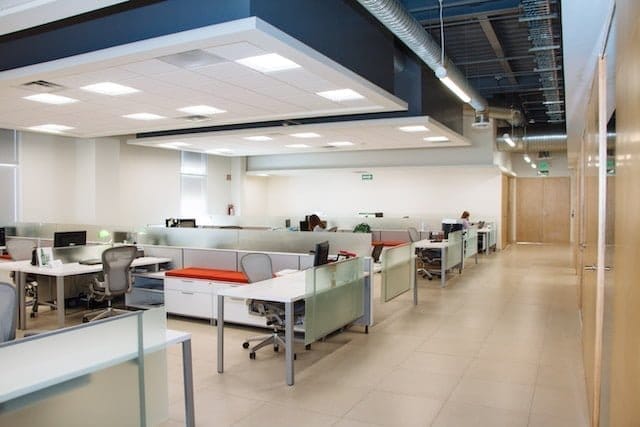
Featured Photo by Adolfo Félix on Unsplash
You might also like,