In a world where staying connected is essential, running out of battery at the wrong time can feel like a nightmare. Whether you’re hiking through remote trails, camping for days, traveling abroad, or preparing for emergencies, having a solar phone charger with a built-in battery can be a complete game-changer. It combines portability, sustainability, and convenience — giving you reliable power anywhere the sun shines.
This comprehensive guide will help you understand everything about solar phone chargers with integrated batteries — how they work, what to look for, and which models stand out in 2025. You’ll also find practical tips on using them effectively and maintaining them for long-term performance.
Understanding Solar Phone Chargers with Built-In Battery
A solar phone charger with a built-in battery, also known as a solar power bank, is a hybrid device that stores solar energy in an internal battery. It allows you to charge your devices day or night — even when there’s no direct sunlight available. Essentially, it’s two devices combined into one: a solar panel and a portable power bank.
Here’s how it works:
The solar panel converts sunlight into electrical energy.
The built-in lithium battery stores this energy for later use.
You can then plug your smartphone, tablet, or other USB-powered gadgets into the power bank whenever needed.
This design makes solar power banks extremely practical for outdoor adventures, travel, and emergency kits. You’re not limited to wall outlets or car chargers — the sun becomes your power source.
Why Choose a Solar Power Bank Over a Regular Power Bank
A regular power bank is great for short trips, but once it’s drained, you need a power outlet to recharge it. A solar power bank, on the other hand, can recharge itself through sunlight, giving you a level of independence that’s ideal for off-grid use.
Here’s why solar power banks stand out:
Sustainable energy source: Harnessing solar power is eco-friendly and renewable.
Off-grid convenience: Perfect for camping, hiking, or emergencies when no plug-in options are available.
Versatility: Most solar power banks can also be recharged via USB or wall outlets when sunlight isn’t sufficient.
Emergency backup: Many models include flashlights, SOS signals, and rugged designs suitable for survival situations.
If you spend a lot of time outdoors or simply want a reliable emergency backup, a solar power bank is one of the best investments you can make.
What to Expect — The Realities of Solar Charging
Before we dive into the top picks, it’s important to set realistic expectations. While the idea of endlessly charging your phone through sunlight sounds amazing, solar charging is not instant. The amount of power you can collect depends on several factors:
Panel size and efficiency: Larger, high-quality panels produce more energy.
Sunlight intensity: Solar performance drops on cloudy days or in shaded areas.
Orientation: Panels work best when they face the sun directly at an optimal angle.
Many compact solar power banks have small panels meant for trickle charging — enough to maintain charge or slowly top up the battery, but not to fully recharge quickly. However, modern models have improved significantly, offering more efficient panels and larger batteries.
Key Features to Consider When Buying a Solar Power Bank
1. Battery Capacity (mAh)
Battery capacity determines how much energy your solar charger can store. It’s measured in milliamp hours (mAh).
5,000–10,000 mAh: Good for day trips and light users.
10,000–20,000 mAh: Ideal for weekend camping or travel.
20,000+ mAh: Best for extended outdoor adventures or charging multiple devices.
Keep in mind that real-world usable capacity is slightly lower than rated capacity due to conversion losses.
2. Solar Panel Power (Wattage)
The watt rating determines how fast the panel can convert sunlight into energy. A small integrated panel (1–3W) can maintain charge, while a foldable or multi-panel setup (10–30W) can replenish the battery much faster.
If you plan to rely primarily on solar, look for at least 10W or higher for practical results.
3. Output Ports
Modern devices charge faster with USB-C Power Delivery (PD). Look for solar chargers that feature:
USB-C PD output (18W–30W): For rapid phone or tablet charging.
USB-A Quick Charge ports: For compatibility with older devices.
Wireless charging pads: Convenient, though slightly slower.
Multiple ports allow you to charge more than one device simultaneously — great for group trips or family camping.
4. Durability and Weather Resistance
Since solar power banks are often used outdoors, durability is critical. Choose models with:
Rugged build: Shockproof and drop-resistant materials.
IP rating (water and dust resistance): IP65 or higher is ideal for rain and dust.
Protective rubber covers: For USB ports and buttons.
A durable solar charger will withstand harsh weather, rough handling, and years of outdoor adventures.
5. Weight and Portability
Balance capacity and size based on your needs. A 20,000 mAh solar charger with dual panels can weigh over a pound, while smaller 10,000 mAh models are more pocket-friendly.
If you’re backpacking long distances, every ounce matters — go for the most compact option that meets your power requirements.
6. Extra Features
Many solar chargers include additional features that add convenience:
Built-in LED flashlight (often with SOS mode)
Compass or carabiner clip
Wireless charging capability
Overcharge and short-circuit protection
These extras make the charger more versatile, especially in emergency or outdoor conditions.
Best Solar Phone Chargers with Built-In Battery in 2026
Let’s look at some of the top-performing models this year based on durability, charging performance, and user satisfaction. These recommendations are grouped by type of use, so you can easily find what fits your lifestyle.
Why it stands out:
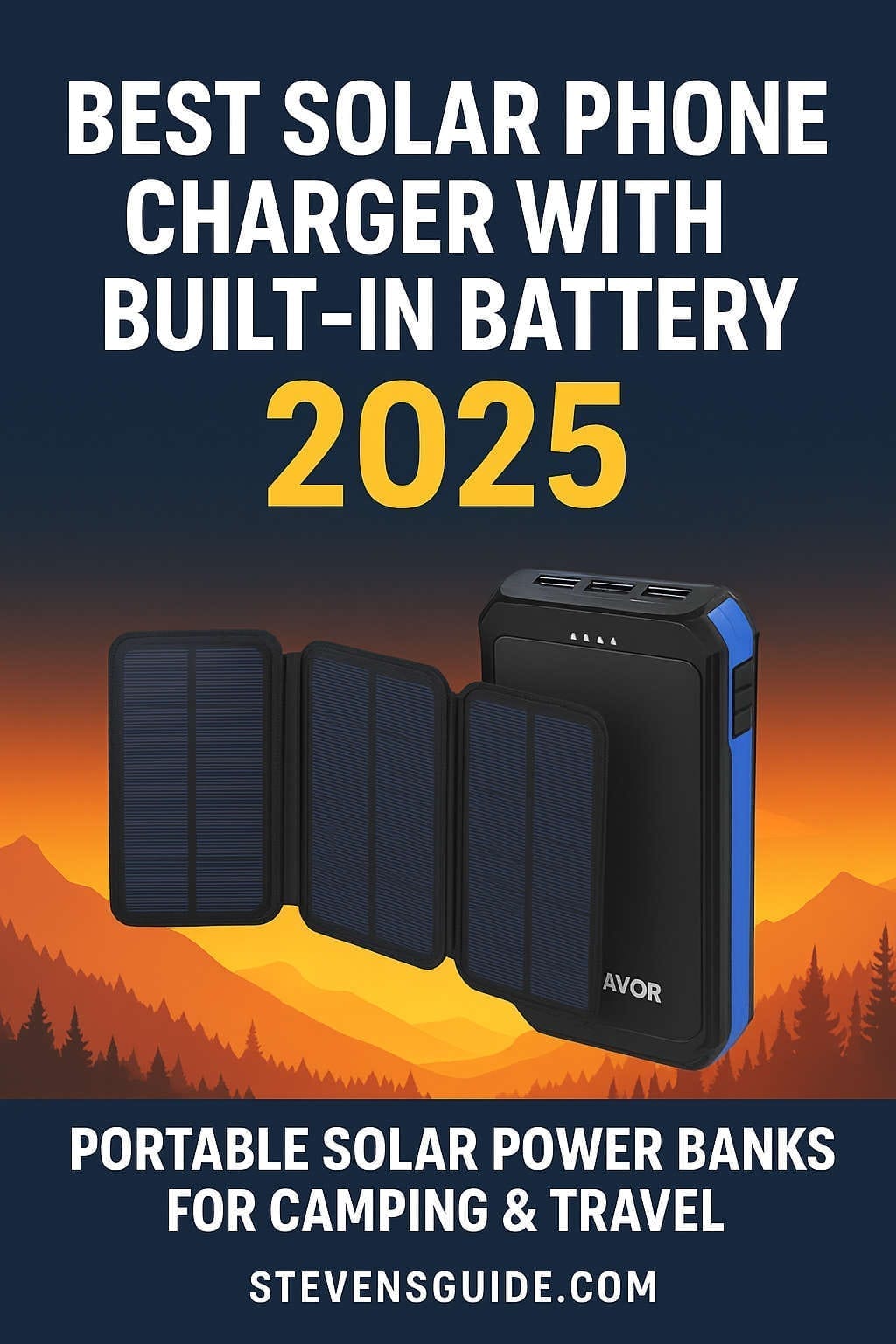
Blavor’s solar power banks consistently rank among the most balanced options for general users. They combine a compact form factor, reliable battery capacity (10,000–20,000 mAh models available), and built-in solar panels for steady recharging.
Key Features:
Dual input/output ports (USB-C + USB-A)
Wireless charging pad for compatible devices
IPX5 water resistance and rugged shell
Built-in dual LED flashlight
Compact design perfect for everyday carry
Best for: Casual campers, travelers, and emergency kits. Downside: Solar panel size is small, so full solar recharge can take multiple days.
Blavor’s combination of practicality, quality, and affordability makes it one of the best solar power banks overall in 2026.
Why it stands out:
BigBlue’s SolarPowa and 28W foldable panels have earned a solid reputation for high conversion efficiency and tough outdoor performance. When paired with an integrated battery or separate power bank, they provide reliable power for longer trips.
Key Features:
Foldable high-efficiency panels (20–28W+)
Fast-charging USB outputs
Water-resistant fabric and durable stitching
Smart charging technology that adapts to sunlight conditions
Best for: Long camping trips, overlanding, and multi-device users. Downside: Slightly heavier setup if combined with external battery pack.
BigBlue’s solar technology stands out for its high wattage output and excellent value, perfect for those who spend long periods off the grid.
Why it stands out:
Anker’s SOLIX line brings premium quality and high efficiency to solar charging. When paired with one of Anker’s PowerCore power banks, you get an incredibly effective solar charging system capable of refueling fast.
Key Features:
Advanced SunPower solar cells with high conversion rates
Fast USB-C PD charging (up to 30W)
Lightweight and portable folding design
Reliable brand with long-lasting build quality
Best for: Tech enthusiasts, digital nomads, and anyone who needs reliable fast charging. Downside: Price is higher than budget options, but performance justifies it.
Anker’s solar and power bank combinations deliver industry-leading reliability, making them a smart investment for professionals or travelers.
Why it stands out:
Goal Zero specializes in outdoor power solutions, and their Nomad series offers ultra-light, high-efficiency solar panels that can be paired with small Flip or Sherpa power banks for a modular setup.
Key Features:
Compact and foldable design
Fast-charging capability in good sunlight
Durable materials and outdoor-friendly build
Modular approach — customize based on your power needs
Best for: Hikers, backpackers, and minimalists who want dependable yet lightweight gear. Downside: Smaller panels mean slower charging in low sunlight conditions.
If weight and packability are your top concerns, Goal Zero’s combination of portability and reliability is hard to beat.
Why it stands out:
QiSa’s solar power bank boasts an impressive 38,800 mAh battery, making it one of the largest-capacity integrated solar chargers available. It can charge multiple devices simultaneously and still have power left over.
Key Features:
Enormous 38,800 mAh battery capacity
Fast-charging USB ports and wireless pad
Dual LED flashlight with SOS mode
Waterproof and shockproof construction
Best for: Extended trips, family camping, or emergency preparedness. Downside: Larger size and weight compared to smaller models.
QiSa’s massive battery ensures your devices stay charged even on multi-day adventures when plug-in options are unavailable.
Comparison of Key Specs
Model
Battery Capacity
Solar Input
Weight
Ideal For
Blavor Solar Bank
10,000–20,000 mAh
1–3W built-in
Light
Everyday, emergency
BigBlue SolarPowa
External battery setup
28W+ foldable
Medium
Long trips
Anker SOLIX + Power Bank
20,000+ mAh
30W+ panel
Medium
Fast, reliable charging
Goal Zero Nomad + Flip
10,000–15,000 mAh
10–15W
Light
Hiking, portability
QiSa Solar Bank
38,800 mAh
3–6W built-in
Heavy
Extended off-grid use
Practical Tips for Using Solar Power Banks Efficiently
Always pre-charge before leaving home.
Charge your power bank fully from a wall outlet before heading outdoors. Solar should supplement your power, not be your only source at the start.
Use the sun wisely.
For best results, place the solar panel directly facing the sun at an angle around 45–90 degrees. Avoid shade from trees or tents.
Keep panels clean.
Dust, dirt, or fingerprints can drastically reduce solar efficiency. Wipe panels regularly with a soft, damp cloth.
Don’t overheat your charger.
Although designed for the outdoors, high temperatures can degrade battery cells. Place it on a shaded surface when charging for long periods.
Use high-quality cables.
A poor cable can bottleneck charging speed. Stick with certified fast-charging cables (USB-C PD or Quick Charge supported).
Charge during peak sunlight hours.
Solar output peaks between 10 AM and 3 PM. Use those hours for the most efficient charging.
Store partially charged when not in use.
For long-term storage, keep your solar power bank at around 50–60% charge to extend battery life.
How Long Does It Take to Charge via Solar?
This depends heavily on sunlight intensity and panel wattage. Here’s a rough guide:
Small built-in panels (1–3W): 30–70 hours of direct sunlight for a full charge (slow trickle).
Medium panels (10–15W): 8–12 hours of good sunlight to recharge a 10,000–20,000 mAh battery.
Large panels (25–30W): 5–8 hours to fully charge a large power bank under ideal conditions.
For best performance, always combine solar charging with wall or car charging when possible. Solar should serve as an extension of your battery life rather than the only source.
Common Mistakes to Avoid
Relying solely on solar recharging:
Solar is a supplement — it’s best used to extend battery life, not replace wall charging entirely.
Ignoring the output wattage:
Even if a charger has a huge battery, slow output ports can make charging painfully slow.
Falling for exaggerated capacity claims:
Some low-quality brands inflate mAh ratings. Stick to reputable brands with verified performance.
Overlooking portability:
Bigger isn’t always better. A massive 40,000 mAh bank might be great for basecamps but inconvenient for hiking.
Leaving it in extreme heat:
High temperatures can cause permanent battery damage. Always keep the charger shaded during long solar sessions.
Maintenance Tips for Longevity
A good solar charger can last years if cared for properly:
Avoid full discharge cycles: Recharge before the battery drops to zero.
Keep dry and cool: Even waterproof models last longer if not constantly exposed to moisture.
Regularly test output: Check if it’s delivering expected voltage; slow output may signal aging cells.
Protect panels during transport: Use protective pouches or cases to avoid scratches or cracks.
Proper care ensures you’ll have a dependable off-grid charging companion for years to come.
Choosing the Right Solar Charger for Your Needs
To choose the best solar phone charger with a built-in battery, consider your use case:
For occasional travel or emergency kits:
A compact all-in-one like the Blavor Solar Power Bank is perfect. It’s affordable, portable, and dependable.
For serious outdoor expeditions:
A foldable solar panel like the BigBlue 28W paired with a large power bank offers the most reliable off-grid power.
For fast charging and premium build:
The Anker SOLIX combination provides high efficiency and excellent brand reliability.
For minimalist hikers:
The Goal Zero Nomad series balances weight and performance perfectly.
For long off-grid living or family camping:
A high-capacity model like QiSa’s 38,800 mAh solar charger ensures everyone’s devices stay powered up.
By matching the charger’s specs to your lifestyle, you’ll enjoy continuous power without frustration.
Benefits Beyond Charging Phones
Solar power banks are not just for smartphones. Their versatility makes them handy for:
Tablets, cameras, and drones
Bluetooth speakers or headphones
GPS devices and headlamps
Emergency radios and flashlights
They also serve as reliable backup power during blackouts, natural disasters, or power outages — a valuable part of any emergency preparedness kit.
The Future of Solar Charging Technology
Solar power technology continues to evolve rapidly. The next generation of solar phone chargers will feature:
Higher efficiency panels with better low-light performance.
Faster-charging batteries using new materials like graphene and solid-state cells.
Smarter energy management systems that optimize charging automatically.
Integrated power stations combining solar, battery, and inverter functions for multi-device use.
As technology advances, solar charging is becoming more practical, affordable, and efficient than ever before.
Final Thoughts
A solar phone charger with a built-in battery is one of the most versatile and eco-friendly accessories you can own. It bridges the gap between convenience and sustainability, allowing you to stay powered anywhere — from mountain trails to city streets.
If you’re a casual traveler or emergency prepper, a compact all-in-one solar power bank will serve you well. If you’re an outdoor enthusiast or off-grid explorer, pairing a high-efficiency foldable panel with a larger battery bank will give you the most reliable results.
No matter your lifestyle, investing in a quality solar power bank means you’ll never have to worry about dead devices again. The sun is always there — ready to keep you connected, safe, and powered wherever life takes you.