Remote work has become the new normal for millions of people worldwide. Whether you’re a freelancer, a corporate professional logging in from your home office, or an entrepreneur running a business from your living room, working from home offers incredible perks—flexibility, comfort, and freedom.
But it also comes with a hidden challenge: staying fit and healthy.
When your commute is just a few steps from your bedroom to your desk, it’s easy to fall into a sedentary routine. Hours slip by in Zoom meetings, emails pile up, and before you know it, you’ve been sitting all day. Add the temptation of easy access to snacks, and you’ve got a recipe for weight gain, poor posture, low energy, and even burnout.
The good news? You don’t need an expensive home gym, fancy equipment, or hours of free time to keep your body and mind in good shape. With a few intentional strategies, you can stay active, energized, and mentally sharp—without ever leaving your house.
In this post, I’ll share five simple but powerful ways to stay fit while working from home. These are realistic, practical tips that anyone can implement. By the end, you’ll have a clear roadmap for maintaining your health—even if you’re glued to your laptop most of the day.
Why Staying Fit at Home Matters More Than You Think
Before we get into the “how,” let’s pause and talk about the “why.”
Working from home has its perks, but it often strips away the natural movement built into traditional office life. When you used to commute, walk between meeting rooms, or grab lunch with colleagues, you probably moved more than you realized. At home, those small bursts of activity disappear.
Studies show that the average remote worker spends 7–10 hours per day sitting. This level of inactivity is linked to:
- Stiffness, back pain, and poor posture
- Reduced cardiovascular health
- Higher risks of obesity, diabetes, and heart disease
- Mental fatigue, stress, and mood swings
But fitness isn’t just about preventing health problems—it’s also about enhancing your quality of life. Staying active:
- Boosts energy and focus
- Improves sleep quality
- Enhances creativity and problem-solving
- Reduces stress and anxiety
- Builds resilience for both body and mind
So, if you want to perform at your best, physically and mentally, staying fit while working from home is non-negotiable.
1. Create a Morning Movement Ritual
How you start your day sets the tone for everything that follows. If your mornings begin with rolling out of bed and immediately checking emails, your body stays sluggish, and your mind feels cluttered. But if you start with movement, you prime yourself for energy, focus, and productivity.
Why It Works
Morning exercise—or even light stretching—kickstarts your circulation, wakes up your muscles, and releases endorphins (your body’s natural mood-boosters). It doesn’t have to be a hardcore workout. Even 10 minutes of intentional movement can completely shift your day.
Practical Morning Ritual Ideas
- Stretching sequence: Spend 5–10 minutes loosening up your spine, shoulders, and hips. Perfect if you’ll be sitting most of the day.
- Yoga flow: A short yoga session (like a few rounds of sun salutations) balances both body and mind.
- Bodyweight circuit: Push-ups, squats, lunges, and planks—done back-to-back for 10–15 minutes—will get your blood pumping.
- Cardio burst: Try skipping rope, high knees, or jumping jacks to wake up fast.
- Morning walk: If the weather allows, a quick walk outside combines movement with fresh air and natural light—both great for regulating your circadian rhythm.
Pro Tip
Lay out your workout clothes, yoga mat, or resistance bands the night before. Removing friction makes it easier to get moving before excuses creep in.
2. Schedule “Movement Snacks” Throughout the Day
One of the biggest pitfalls of remote work is losing track of time. You sit down to “just check emails,” and suddenly it’s 3 hours later. This is where “movement snacks” come in.
Think of them as tiny bursts of physical activity you sprinkle throughout your workday.
Why It Works
Your body wasn’t designed to sit for hours on end. Movement snacks break up long sitting periods, improve circulation, and prevent stiffness. They also refresh your brain, improving focus and creativity.
Examples of Movement Snacks
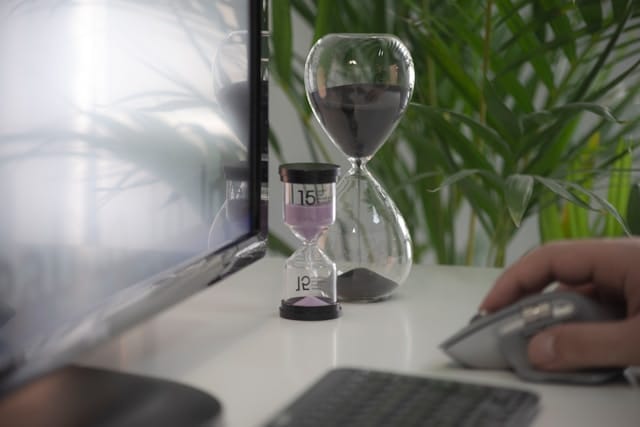
- Pomodoro exercise breaks: After every 25–30 minutes of focused work, do a 2–3 minute movement break.
- Micro workouts: 10 push-ups, 15 squats, or a 30-second plank in between tasks.
- Chair yoga: Gentle seated stretches for your neck, shoulders, and lower back.
- Walking calls: Take phone calls while pacing around your house.
- Dance breaks: Blast your favorite song and dance—fun and energizing!
Pro Tip
Set alarms or calendar reminders labeled “MOVE!” throughout your day. At first, you might need a nudge, but soon it becomes second nature.
3. Design Your Workspace for Movement
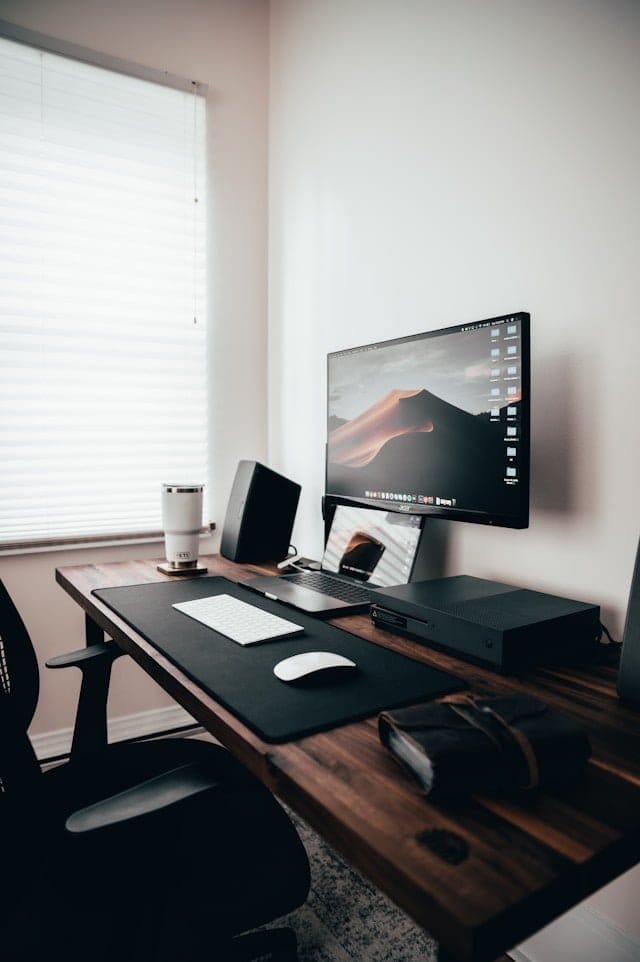
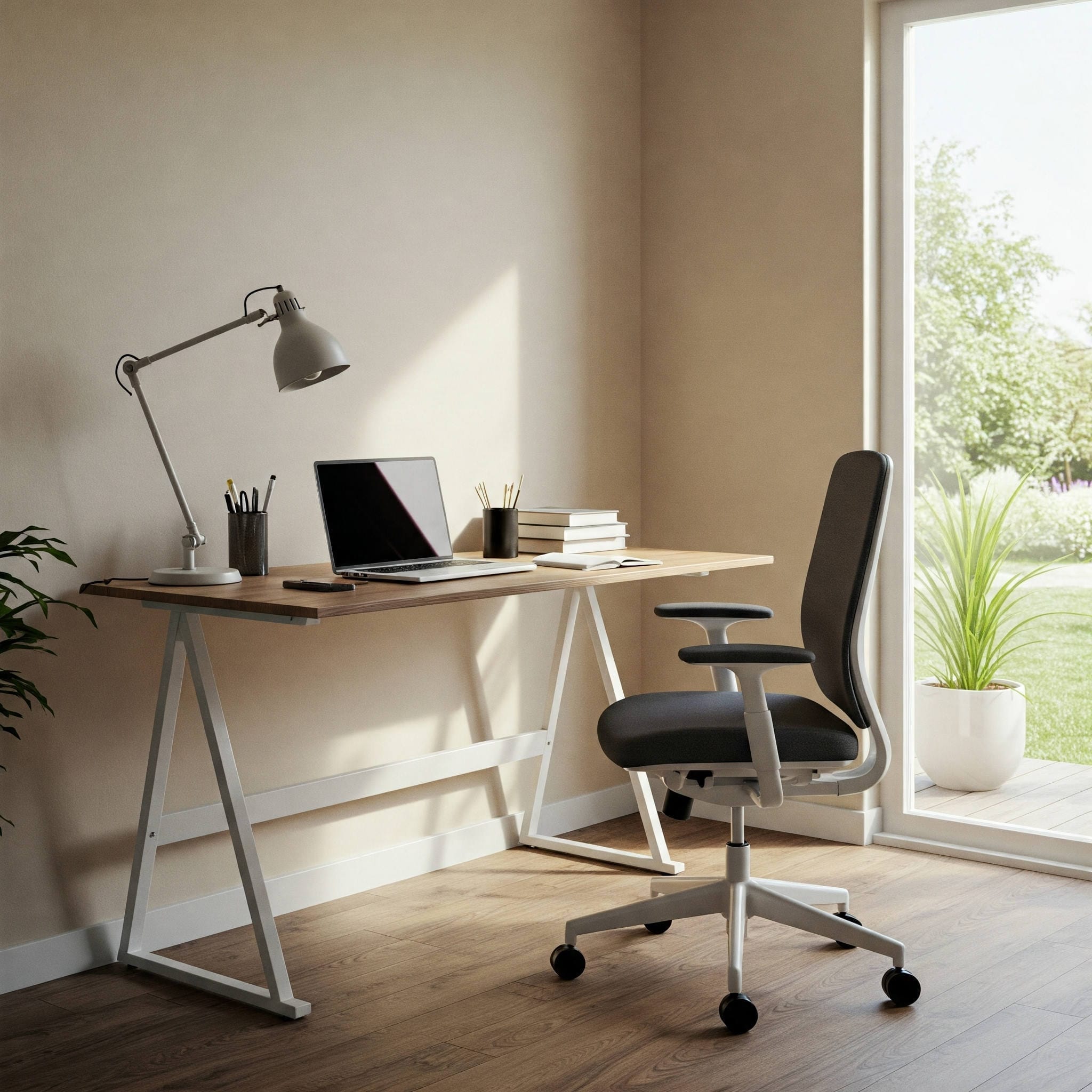
Your environment shapes your habits. If your home office is set up for all-day sitting, that’s what you’ll do. But with a few simple adjustments, you can create a workspace that naturally encourages movement.
Why It Works
When opportunities for movement are built into your environment, you don’t have to rely solely on willpower. Instead, movement becomes automatic and convenient.
Workspace Tweaks to Try
- Standing desk: Alternate between sitting and standing. No standing desk? Stack books under your laptop for a DIY version.
- Stability ball chair: Sitting on a ball engages your core and improves posture. Use it for part of the day.
- Resistance bands nearby: Do quick strength exercises between tasks.
- Walking pad or treadmill desk: Ideal for answering emails, casual reading, or virtual meetings.
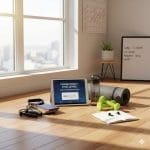
- Stretch corner: Keep a yoga mat or foam roller within reach for quick breaks.
Pro Tip
Try the 50/10 rule: Work sitting or standing for 50 minutes, then dedicate 10 minutes to movement—stretching, walking, or light exercise.
4. Prioritize Nutrition and Hydration
Fitness isn’t just about moving your body—it’s also about how you fuel it. And working from home comes with a sneaky challenge: the kitchen is always open.
Why It Works
When you eat balanced meals and stay hydrated, your energy levels stay consistent throughout the day. Poor food choices or dehydration lead to mid-afternoon crashes, brain fog, and sluggishness.
Smart Nutrition Habits
- Meal prep: Cook ahead so you’re not grabbing junk food between meetings.
- Healthy snacks: Keep fruit, yogurt, nuts, or veggie sticks ready instead of chips or cookies.
- Balance meals: Aim for protein, complex carbs, and healthy fats in every meal.
- Limit processed foods: They cause energy spikes followed by crashes.
- Mindful eating: Step away from your desk and actually enjoy your meals.
Hydration Hacks
- Keep a large water bottle on your desk.
- Flavor your water with lemon, cucumber, or mint to make it more appealing.
- Follow the “half your body weight in ounces” rule. For example, if you weigh 160 lbs, aim for about 80 ounces of water daily.
Pro Tip
If you tend to forget water, pair hydration with another habit. For instance, every time you check email, take a few sips.
5. Make Recovery and Mental Fitness a Priority
When you work from home, the boundaries between work and life blur. Without a commute or clear “end” to your day, it’s easy to always feel “on.” Over time, this leads to stress, fatigue, and burnout.
True fitness isn’t just about exercise—it’s also about recovery and mental health.
Why It Works
Recovery gives your body and mind the chance to repair and recharge. Without it, you risk overworking, poor sleep, and declining performance.
Recovery & Mental Fitness Practices
- Set boundaries: Have a clear start and stop time for work. Close your laptop when the day ends.
- Mindfulness habits: Spend 5–10 minutes meditating, journaling, or practicing deep breathing.
- Sleep hygiene: Stick to consistent bed and wake times. Avoid screens an hour before bed.
- Digital detox: Unplug in the evening and spend time offline—reading, walking, or connecting with loved ones.
- Active recovery: Do gentle yoga, stretching, or a slow walk after work to unwind.
Pro Tip
Treat recovery like training. Just as your muscles need rest after a workout, your mind needs downtime after a workday.
Pulling It All Together
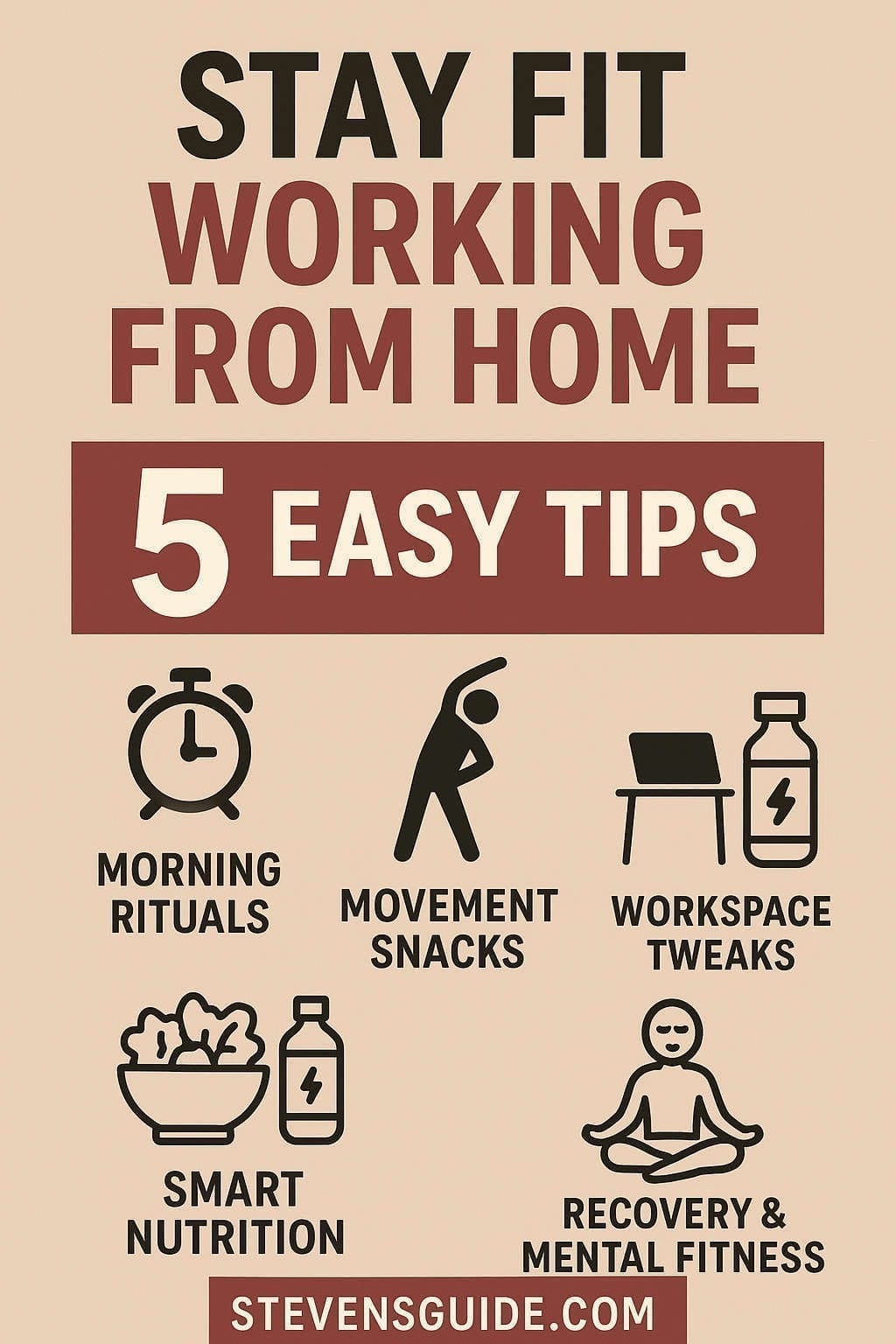
Let’s recap the five simple strategies for staying fit while working from home:
- Start with a morning movement ritual – Wake your body and brain for the day ahead.
- Add movement snacks – Break up long sitting sessions with mini-workouts.
- Design a movement-friendly workspace – Make activity part of your environment.
- Fuel your body wisely – Prioritize healthy meals and hydration.
- Don’t neglect recovery and mental health – Protect your energy for the long run.
Individually, each of these steps can make a difference. But when combined, they create a powerful lifestyle shift—helping you stay healthier, more energized, and more productive, all from the comfort of your home.
Final Thoughts
Working from home doesn’t have to mean sacrificing your health. In fact, with the right approach, it can actually make fitness easier because you have more control over your time and environment.
The secret is to think small and consistent, not big and overwhelming. You don’t need two-hour workouts or restrictive diets. You just need to weave movement, healthy food, hydration, and recovery into your daily routine in simple, sustainable ways.
Start by picking one or two of the strategies from this post. Maybe it’s adding a 10-minute morning stretch routine, or maybe it’s swapping soda for water. Build gradually. Over time, these small steps compound into a healthier lifestyle—one that supports not just your body, but also your career, relationships, and overall happiness.
Remember: fitness is not a destination; it’s a lifestyle. And with these five simple habits, you can thrive in both your work and personal life, even while working from home.
You might also like,
- Top 10 Must-Have Office Equipment for Your Home Office Setup in 2025
- Top Home Office Essentials for 2025: Gear to Boost Productivity & Comfort
- The Best Office Desks for Home: Elevate Your Work-from-Home Experience
- Best Orthopedic Office Chairs 2025: Complete Home Office Guide & Reviews
- How to Create an Ergonomic Workstation at Home: Complete Setup Guide 2025