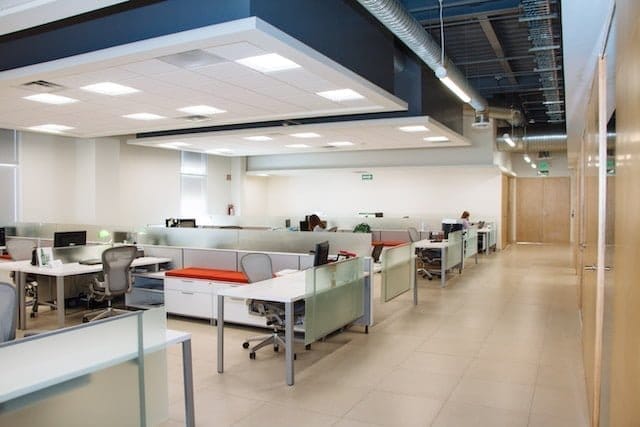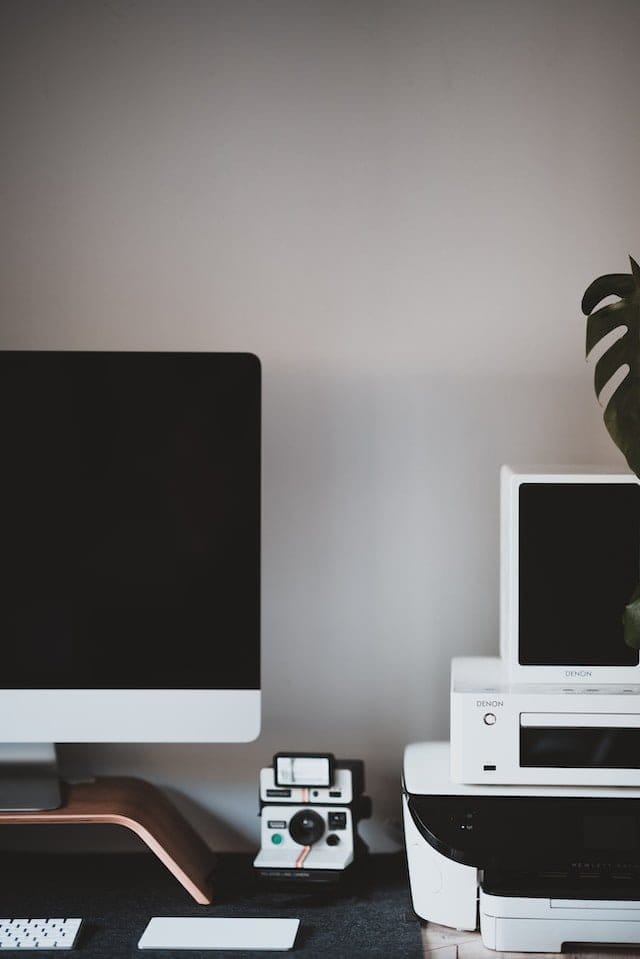
In today’s fast-paced business world, maintaining an efficient and productive office environment is essential for success. While businesses invest heavily in cutting-edge technology and equipment, the proper maintenance of these assets is often overlooked. From computers and printers to other technological devices, the performance and longevity of office equipment play a critical role in ensuring a seamless workflow. In this comprehensive guide, we will delve into 16 essential tips that go beyond the basics, providing a thorough understanding of office equipment maintenance for optimal performance and longevity.
1. Regular Cleaning
Beyond maintaining a polished appearance, regular cleaning is pivotal for the longevity and efficiency of office equipment. Dust and debris can accumulate on electronic components, causing overheating and hindering performance. Establish a routine for cleaning computer screens, keyboards, and other peripherals using appropriate tools and cleaning solutions. Consider implementing anti-static cleaning products to further protect sensitive electronic components.
2. Proper Ventilation
Overheating remains one of the most common causes of equipment failure. Ensure that electronic devices, especially computers, are well-ventilated. Keep air vents unblocked and consider using cooling pads or fans if necessary. Additionally, explore advanced cooling solutions such as liquid cooling systems for high-performance computers, further enhancing their reliability and lifespan.
3. Update Software Regularly
Software updates are not just about adding new features; they often include crucial patches for security vulnerabilities and performance enhancements. Create a comprehensive schedule for updating all software on office devices, including operating systems, antivirus software, and applications. Consider implementing a centralized software management system to streamline updates across the organization.
4. Scheduled Backups
The potential for data loss is a looming threat to any business. Implement a regular backup schedule for critical data. Cloud-based solutions or external hard drives can provide a secure backup for important files, protecting against potential data loss in case of equipment failure, accidental deletions, or unforeseen events. Additionally, conduct periodic data recovery drills to ensure the effectiveness of your backup systems.
5. Optimal Power Conditions
Unstable power conditions, including surges and outages, can wreak havoc on your office equipment. Invest in surge protectors and uninterruptible power supply (UPS) systems to safeguard devices from power-related issues and ensure a stable power supply. Explore smart power management solutions that can automatically shut down non-essential equipment during power outages, preventing potential damage.
6. Proper Cable Management
Cable management is often underestimated but plays a crucial role in maintaining office equipment. Organize cables to avoid tangling and tripping hazards. Consider investing in cable management solutions such as cable trays, clips, and labels to not only prevent damage to cables but also improve the aesthetics of the workspace. This organized approach simplifies troubleshooting and maintenance procedures.
7. Employee Training
Well-informed employees are essential for maintaining the longevity of office equipment. Develop comprehensive training programs on the proper usage and handling of office equipment. Establish guidelines on food and drink near electronics, proper storage practices, and safe handling of shared devices. Consider conducting regular refresher courses to keep employees updated on best practices and emerging technologies.
8. Regular Inspections
Prevention is key to maintaining office equipment. Conduct routine inspections to identify any signs of wear, damage, or potential issues. Develop a comprehensive checklist for inspections that covers both hardware and software aspects. Address identified problems promptly to prevent further damage and ensure uninterrupted workflow. Encourage employees to report any issues promptly.
9. Secure Storage
When office equipment is not in use, store it in secure and appropriate locations. This protects devices from accidental damage and reduces the risk of theft. Implement a structured inventory management system to keep track of equipment locations, usage history, and maintenance schedules. Periodically audit the equipment inventory to ensure accuracy and security.
10. Proactive Software Security Measures
Cyber threats are ever-present, and protecting your office equipment from malware and cyberattacks is paramount. In addition to antivirus software, consider implementing advanced cybersecurity measures such as intrusion detection systems, firewalls, and employee awareness training. Regularly conduct security audits to identify vulnerabilities and address them promptly.
11. Environment Control
Maintain a stable and controlled environment for your office equipment. Avoid exposing devices to extreme temperatures, humidity, or direct sunlight. Implement climate control systems in server rooms and other critical areas to ensure a consistent environment. Consider investing in air purification systems to minimize the impact of dust and contaminants on sensitive electronic components.
12. Regular Calibration
For devices like printers and scanners, follow manufacturer guidelines for calibration. Regular calibration ensures accurate and high-quality performance, contributing to the efficiency of your office operations. Create a detailed calibration schedule and document the process to maintain consistency and compliance with industry standards.
13. Monitor Hardware Performance
Utilize advanced system monitoring tools to keep an eye on the performance of your hardware. Proactively identify issues before they become critical by setting up alerts for abnormal activity, temperature fluctuations, and hardware failures. Implement predictive maintenance strategies that use data analytics to anticipate potential problems and schedule preventive maintenance accordingly.
14. Proper Shutdown Procedures
Encourage employees to follow proper shutdown procedures for computers and other equipment. This practice not only prevents data corruption but also extends the lifespan of the devices. Develop and communicate standardized shutdown protocols, and consider implementing automated shutdown systems for non-essential equipment during off-hours to reduce energy consumption and wear on components.
15. Labeling and Documentation
Organize your office equipment systematically by clearly labeling each item and maintaining proper documentation. This includes manuals, warranty information, and any relevant service records. Establish a centralized documentation repository accessible to relevant personnel, facilitating quick identification, troubleshooting, and streamlined maintenance processes. Consider implementing a digital asset management system for comprehensive documentation and easy retrieval.
16. Professional Maintenance Contracts
Consider entering into professional maintenance contracts for critical equipment. Collaborate with reputable service providers who specialize in the maintenance of specific types of equipment. These contracts can include regular inspections, preventive maintenance, and priority response in case of emergencies. Professional maintenance ensures that your equipment is always operating at peak performance, reducing the risk of unexpected breakdowns.
Conclusion
Maintaining an office environment that fosters efficiency and productivity goes beyond the initial investment in technology; it requires a commitment to comprehensive equipment maintenance. By incorporating these 16 advanced tips into your office management strategy, you can not only minimize downtime and reduce repair costs but also create a foundation for sustained success in your business endeavors. Remember, a well-maintained office is a productive office. Stay proactive, stay informed, and invest in the longevity of your office equipment for a thriving and efficient workplace.
Featured Image by Peggy und Marco Lachmann-Anke from Pixabay
You might also like,
- Orthopedic Office Chair: Read Before You Buy
- Top 10 Must-Have Office Equipment for Your Home Office Setup in 2025
- Top Home Office Essentials for 2025: Gear to Boost Productivity & Comfort
- The Best Office Desks for Home: Elevate Your Work-from-Home Experience